
1. Know your assets
What exactly is Intellectual Property (IP)?
IP is a valuable asset that distinguishes your business from your competitors. It can be a brand, logo, invention, design or the practical application of an idea. An important first step for every business owner is to identify his or her IP.
Below are the four most common types of IP:
Trade marks

A Trade mark is a word, phrase, symbol, picture, shape, colour, sound or scent that identifies and distinguishes the source of your goods or services from those of other traders.
Patents
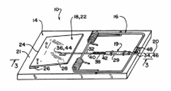
A patent is a legally enforceable right for a device, substance, method or process. Your invention must be new, useful and inventive or innovative.
Designs

A design is a feature of shape, configuration, pattern or ornamentation which gives a product a unique appearance. It must be new and distinctive.
Copyright

Copyright is an automatic right which protects the original expression of ideas rather than the idea itself. It includes rights in certain creative works such as text, artistic works, music, computer programs, sound recordings and films.
A common mistake that people often make when starting out is to overlook what could be potentially valuable IP.
2. Know your protection options
If you think that registering your business name and having a trading history is enough to protect your IP, think again. Protecting IP requires more than just registration, it requires strategy.
IP falls into two categories: registrable and non-registrable. Understanding which applies to your business and what steps you can take is essential to safeguarding your brand and avoiding costly legal disputes.
Have an IP lawyer conduct a search for you through IP Australia, the Australian Government intellectual property office to determine if you have the right to use your IP, and most importantly, take steps to protect it – preferably before you start doing business.
3. Know how to keep it confidential
You need to remember to keep your ideas confidential until you have taken steps to protect them.
If disclosed, their registrable status could either be at risk of being compromised or stolen by competitors. Once an idea is out there, you can’t bring it in again!
4. Know that you own it
Without some additional safeguards in place, the next time a disgruntled departing employee walks out the door he or she may also walk out with your valuable IP.
Make sure your employees sign IP assignment agreements, or have relevant provisions documented in employment agreements.
If you are hiring independent contractors, it’s a good idea to get a written assignment of the IP they create for your business. It’s also worth having clear agreements in place to ensure you retain ownership of your IP when licensing your IP.
5. Know the marketplace
Keep an eye out for copycats. As the owner of IP rights, it is your responsibility to police your rights and take action to prevent others from infringing them.
Failing to protect your IP can prove to be a costly mistake in the long term. By understanding what can and can’t be registered and taking proactive steps to safeguard your rights, you not only protect your brand and reputation, but also strengthen your business against potential disputes. Investing in IP protection today can save you significant time, money and stress tomorrow.
If you wish to discuss your options, please contact Catherine Ballantyne, Principal, Madgwicks Lawyers at catherine.ballantyne@madgwicks.com.au or (03) 9242 4766.
The information provided in this article is general in nature and cannot be relied on as legal advice, nor does it create an engagement. Please contact one our Lawyers listed above for advice about your specific situation.